
Built for complex applications
Start with an architecture for business data, permissions, workflows and custom code.
B2B SaaS · internal tools · AI applicationsSerious products need a foundation. AI does too.
A business application has to serve customers, respect responsibilities and keep working as its purpose grows. Writing its first features is only part of that work.
Wildo is an opinionated framework for building and evolving B2B SaaS applications and corporate internal tools with AI. It brings a flexible application engine, structured product knowledge and development methods into the same foundation.
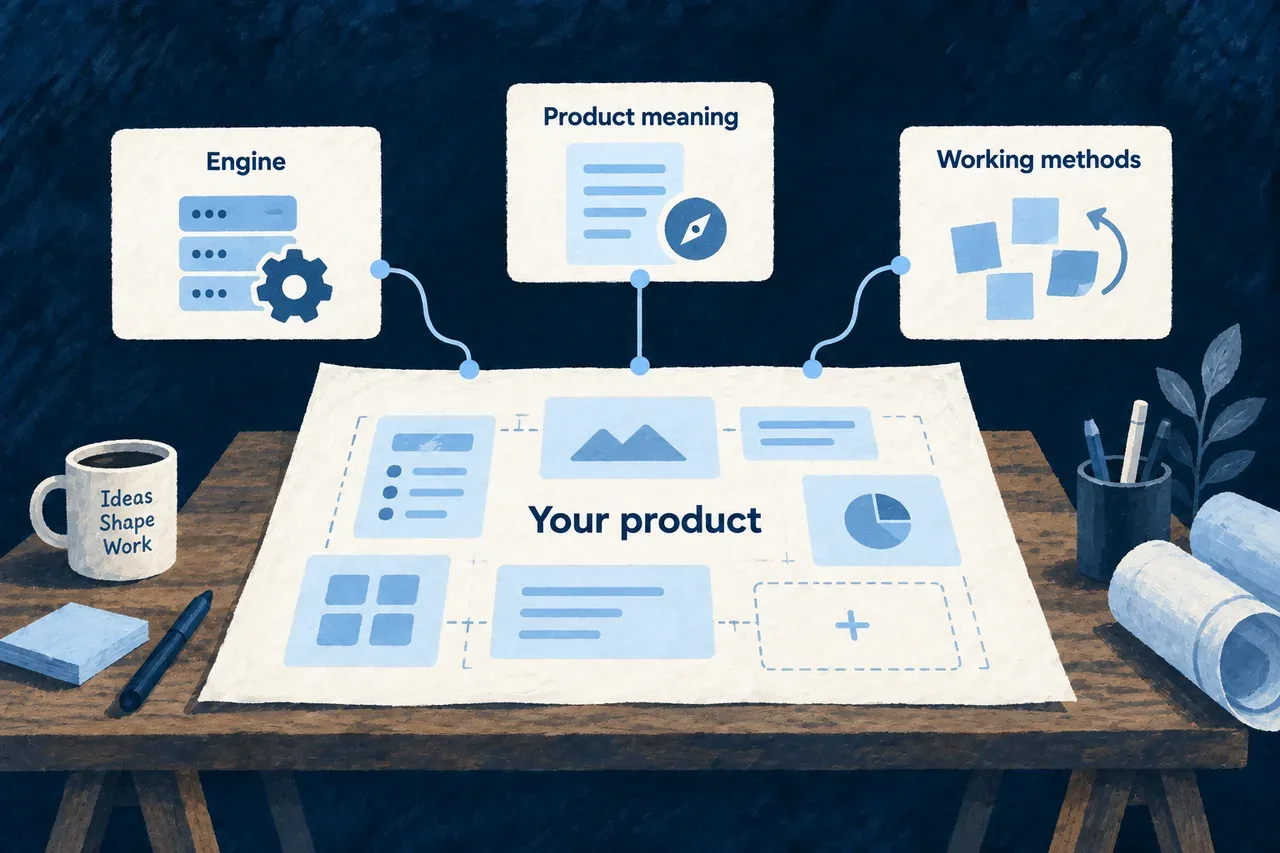
A canvas with room for your product
Focus makes depth possible
Business applications return to familiar concerns: people and organizations, records and actions, commercial offers, integrations, operating responsibilities and the treatment of information. Their details matter, and those details have to agree. Access decisions, privacy and audit evidence are part of ordinary product behavior, not a separate layer to add at the end.
Concentrating on this family of products lets Wildo carry more of that engineering in advance. It also gives the development tools a meaningful vocabulary for the work: a customer commitment, a resource, an access policy or a delivery task has a defined place.
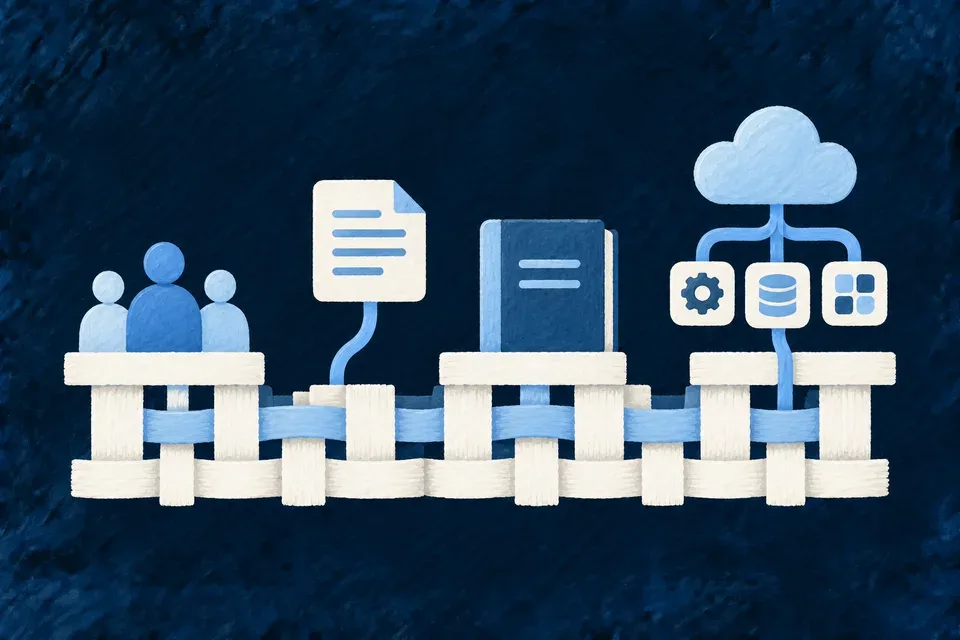
- 60+ resource specifications: Shared resources document their purpose, behavior and constraints.
- Connected business concerns: Identity, data and responsibilities share an application foundation.
- More informed starting point: Common engineering decisions already have a considered home.
Flexible where the product needs to be
An opinionated foundation should make a distinctive product easier to build. Wildo supplies standard behavior and explicit places to specialize it: forms, layouts, components, operations, flows, integrations and visual choices.
The application can start with shared mechanisms and refine the experience around its customers. Its specific behavior remains application code, with the surrounding framework available to support it.
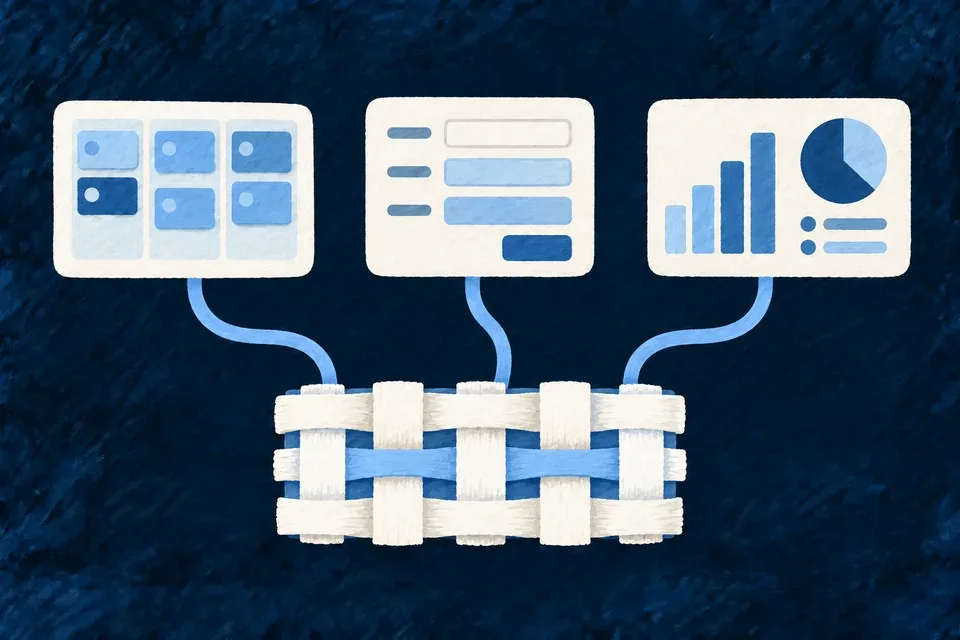
- 300+ component specifications: Documented component contracts support consistent customization across screens.
- Your own business behavior: Custom operations express the decisions specific to your product.
- A distinctive user experience: Layouts, forms and visual choices remain yours to shape.
Built to be understood by AI
The foundation includes knowledge about using it. Structured specifications retain product intent; task-specific guidance explains the framework; context retrieval exposes the application as it exists; playbooks give development activities a method.
The working methods also make room for discovery: current product state and earlier results help determine the next useful activity. A changing requirement can lead to further investigation or refinement before implementation continues.
These connections help an agent work beyond the file immediately in front of it. Adding a field can involve its meaning, interface, translation and migration. Wildo gives that wider change an explicit method instead of leaving each agent to rediscover it.
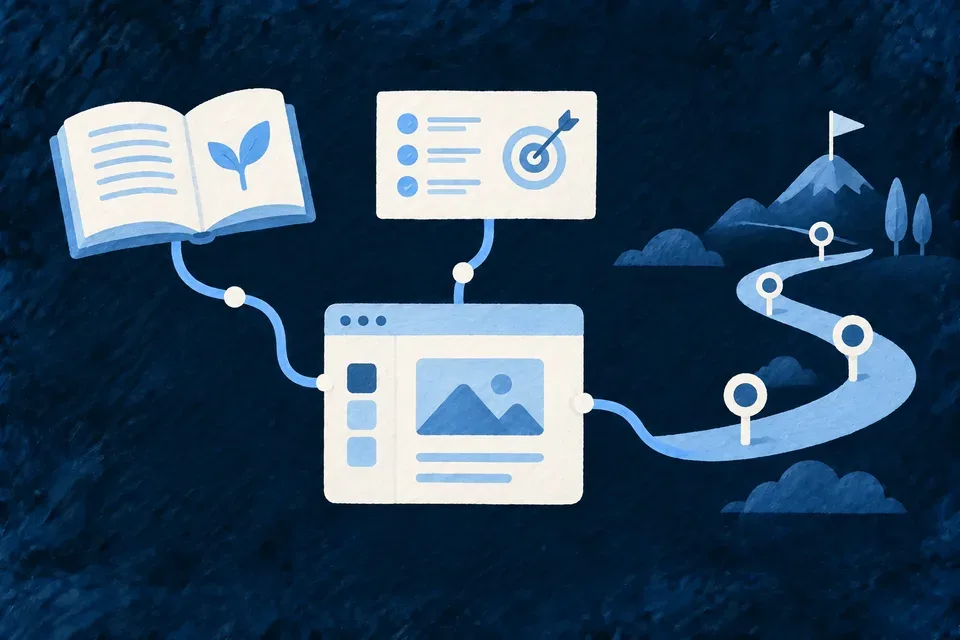
- Context beyond one file: Agents can inspect related contracts before changing behavior.
- Methods for complete changes: Guidance connects fields, interfaces, translations, migrations and verification.
- Work adapts to discovery: Current findings help determine the next useful activity.
Keep the foundation useful as the product grows
Growth can mean more customers, a more particular workflow, another integration, a new operating requirement or a different deployment arrangement. The product needs to remain understandable through those changes.
Wildo connects the shared runtime with the project’s definitions and development tools so the foundation can serve continuing work. Explore the application you build, internal tools and methods for evolving it.

- More than customer volume: Growth includes features, integrations, obligations and operating needs.
- Keep decisions connected: Specifications retain product meaning as implementation work evolves.
- Extend an existing foundation: New requirements build on shared mechanisms and explicit contracts.
Example: Extend the product for a new kind of customer
A team adds a customer group with a different approval process and reporting need. It updates the requirements, configures the relevant responsibilities and builds the specific workflow and views. Shared identity, resource behavior and development tooling provide the surrounding foundation.
Understand the layers of the canvas
Several connected contracts, each with a purpose
| Layer | What it contributes |
|---|---|
| Engine | Shared resource, identity, interface, communication and execution mechanisms |
| Application declarations | Fields, relationships, operations, policies, providers and presentation choices |
| Product specifications | Purpose, requirements, plans and engineering meaning |
| Factory | Context, framework knowledge, development methods and implementation support |
| Application artifacts | Source, documentation and deployment material that the team can inspect and evolve |
Product specifications guide work; runtime declarations configure behavior. Custom implementations supply business logic. These contracts cooperate without pretending that one description directly creates every part of a finished product.
Follow a change across those layers
The installed field-addition method classifies the affected surfaces before editing, then covers schema, configuration, UI behavior, specification, labels, applicable database migration and verification. That is one concrete way the framework carries engineering judgment into AI-assisted work.
The knowledge harness explains how methods and source references reach the application. The resource system shows the runtime contracts they use.
Give intelligence a foundation worth building on.
A focused framework can carry substantial engineering and still leave room for a distinctive product. Wildo brings that foundation into the way AI understands and develops the application.
Building a B2B product or an internal tool?
Wildo is not self-service yet. Tell us what you have in mind and we will say plainly whether it fits, and what happens next.